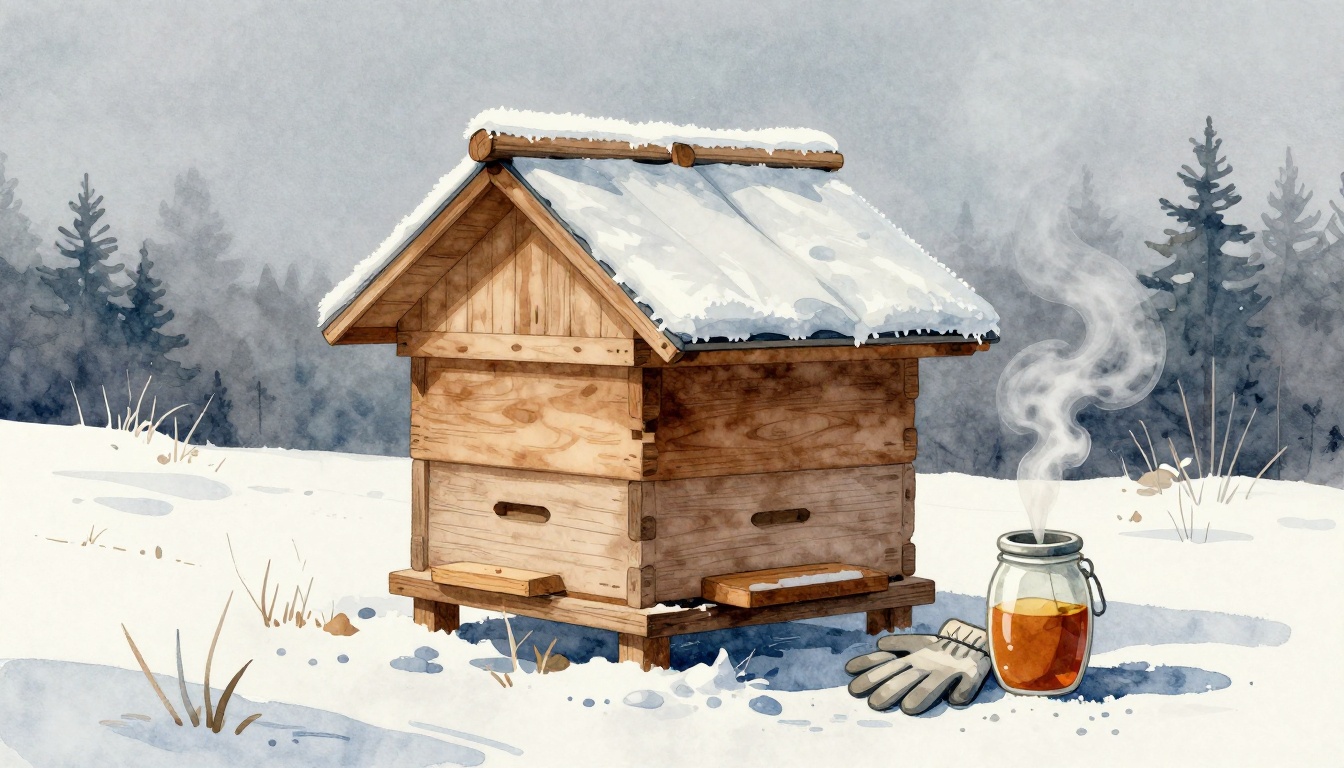
Last fall, a friend lost half his hives. Bees drowned in dripping condensation or starved despite full supers nearby. Moisture buildup turns combs moldy and chills clusters. Starvation hits when bees can’t reach stores. Average winter losses run 30 to 50 percent without prep. Proper steps boost survival over 80 percent.
You can fix this. We’ll cover assessing hives now, fighting moisture, securing food, adding shields, and monitoring quietly. Follow along to greet strong colonies in spring.
Assess Your Hive’s Readiness Before the Cold Hits
Check hives in late fall. Cold weather locks you out soon. A gentle inspection spots problems early. Open the hive on a warm day above 50 degrees. Look for healthy brood patterns in the center. Spot any issues like spotty larvae or empty cells.
Treat varroa mites right away if you see them. These pests weaken bees before winter. Use minimal smoke to keep bees calm. Heft the hive by lifting the back corner. It should feel heavy, like a packed cooler. Weak hives need help now.
Unite them with strong ones. Remove extra supers if stores look good. Add entrance reducers to block drafts. Tools like hive scales give exact weights. Skip this step, and surprises wait in January.
Hunt Down Pests and Diseases in Your Fall Inspection
Pests thrive in fall. Varroa mites cause deformed wings or virus symptoms. Nosema shows as dysentery streaks at entrances. Chalkbrood leaves mummies in cells.
Count mites with an alcohol wash. Shake bees in soapy alcohol, then count floaters. Aim below three percent. Sugar rolls work too; roll bees in powdered sugar and check fallout.
If counts hit thresholds, use oxalic acid dribble. Drip it between frames on a calm night. It’s organic and effective. Clean hives overwinter stronger because diseases spread less in clusters.
Gauge Honey Stores to Predict Winter Needs
Stores decide survival. A double-deep hive needs 60 to 80 pounds of honey in cold areas. Heft it; the back should sag under weight. Light hives signal trouble.
Regional needs vary. Northern states demand more, up to 100 pounds. Southern ones get by with less. Add a super of drawn comb if short, but cap it well.
Avoid wet, uncapped honey. It ferments and causes dysentery. Weigh supers separately for accuracy.
Beat Moisture Buildup with Ventilation That Works
Bee clusters generate heat. Warm, moist air hits cold lids and condenses. Water drips back, chilling bees. Good ventilation lets vapor escape up top.
Focus on upper exits. Keep the bottom snug for heat. Screened inner covers help. Place sticks under lids for a small gap. Gable roofs shed water too.
Dry bees cluster tight and live. Wet ones scatter and die.
Understand Why Damp Hives Spell Trouble for Bees
Bees breathe out water vapor. Clusters warm to 90 degrees inside. Cold wood traps humidity as droplets.
Drips soak combs, grow mold, and chill bees. They leave the cluster to relieve themselves, spreading dysentery. Look for brown stains at entrances.
It’s like a bathroom after a hot shower without exhaust. Moisture kills more in mild winters than deep freezes.
Set Up Foolproof Ventilation Without Losing Heat
Start with shims. Place 1/2-inch wooden spacers under the outer lid. This creates an upper exit.
Install screened inner covers. They block robbers but let air flow. For bottoms, use screened boards early, then close in freezes below zero.
Quilt boxes absorb extra vapor. Test setups with a hygrometer inside. Keep levels under 50 percent.
| Ventilation Method | Pros | Cons |
|---|---|---|
| Lid Shims | Cheap, easy | Snow can block |
| Screened Inner Cover | Good airflow | Bees propolize screens |
| Quilt Box | Absorbs moisture | Needs spring refresh |
These keep heat in while dumping dampness.
Build a Simple Quilt Box to Soak Up Humidity
Make one from 1×1 lumber. Build a frame to fit your hive top. Staple hardware cloth on the bottom.
Fill with pine shavings or straw, two inches deep. Place it over frames, under the lid. It wicks moisture like a tree cavity.
Costs under $20. Refresh fillings in spring. Bees love the dry nest.
Stockpile Food to Keep Bees from Starving All Winter
Bees won’t travel far in cold. They stay clustered around brood. Minimum stores match your climate. Supplement by mid-fall.
Honey works best. It’s complete food. Sugar feeds save hives if needed. Feed early so bees process it.
Clusters starve inches from full frames. Prevent that ache.
Know the Starvation Warning Signs Before Winter Locks In
Watch entrances. Bees beg head-down in snow. Empty frames near the cluster show low stores.
Heft reveals light hives. Scales confirm drops below 60 pounds. Starving bees eat their own larvae.
Prevention beats rescue. Snow hides problems until too late.
Compare Feeding Options: Natural Honey or Sugar Feeds
Honey nourishes best. No dysentery risk, full of enzymes.
Short on it? Use 2:1 sugar syrup in fall. Boil two parts sugar to one water, cool, and pour.
For winter, fondant melts in cluster heat. Dry sugar patties last longer but attract moisture.
| Feed Type | Best For | Drawbacks |
|---|---|---|
| Honey | Nutrition | Harvested already |
| Syrup | Fall build-up | Ferments cold |
| Fondant | Mid-winter | Sticky to make |
| Dry Sugar | Emergency | Bees dehydrate eating |
Pick based on stores.
Install Emergency Feeds That Last the Whole Season
Boil sugar and water to soft-ball stage for fondant. Pour into zip bags on top bars.
Or mix dry sugar with a touch of water for patties. Wrap in paper. Place over the cluster.
Skip pollen unless desperate; mice love it. Heft monthly to check.
Add Final Shields Against Wind, Critters, and Extreme Cold
Prep fights more than wet and hunger. Wind chills, critters invade. Tilt hives forward 10 degrees for drainage.
Use tar paper wraps. Foam boards add insulation. Site them in full sun, behind fences.
These steps seal the deal.
Install Mouse Guards and Shrink the Entrance
Mice nest in empty upper boxes. Metal guards let bees pass, block rodents.
Wood ones work too. Reduce entrances to one or two inches. Staple firm.
Clear dead bee piles often. Blockages trap the cluster.
Wrap and Insulate for Temperature Swings
Tar paper breathes, sheds water. Staple loosely around sides. Add foam for R-value in plains.
Avoid plastic; it traps moisture. Mild areas need light wraps only.
Ventilation gaps stay open. Hives swing less wildly.
Monitor Your Winterized Hive Without Stressing the Bees
Quiet checks save lives. Heft weekly on calm days. Feel for steady weight.
Listen at entrances on warm afternoons. A low hum means activity. No sound spells trouble.
Beam scales track trends precisely. Skip openings until thaw. Dead bees outside warn of starvation or cold snaps.
Note patterns for spring tweaks.
Winter prep pays off big. Assess early, ventilate smart, feed plenty, shield tight, and monitor light. These steps stop 90 percent of losses.
Act now if fall lingers, or bookmark for next year. Your bees deserve dry, full hives.
Share your winter wins in comments. What trick saved your apiary? Subscribe for spring buildup tips. Strong clusters mean honey flows ahead.